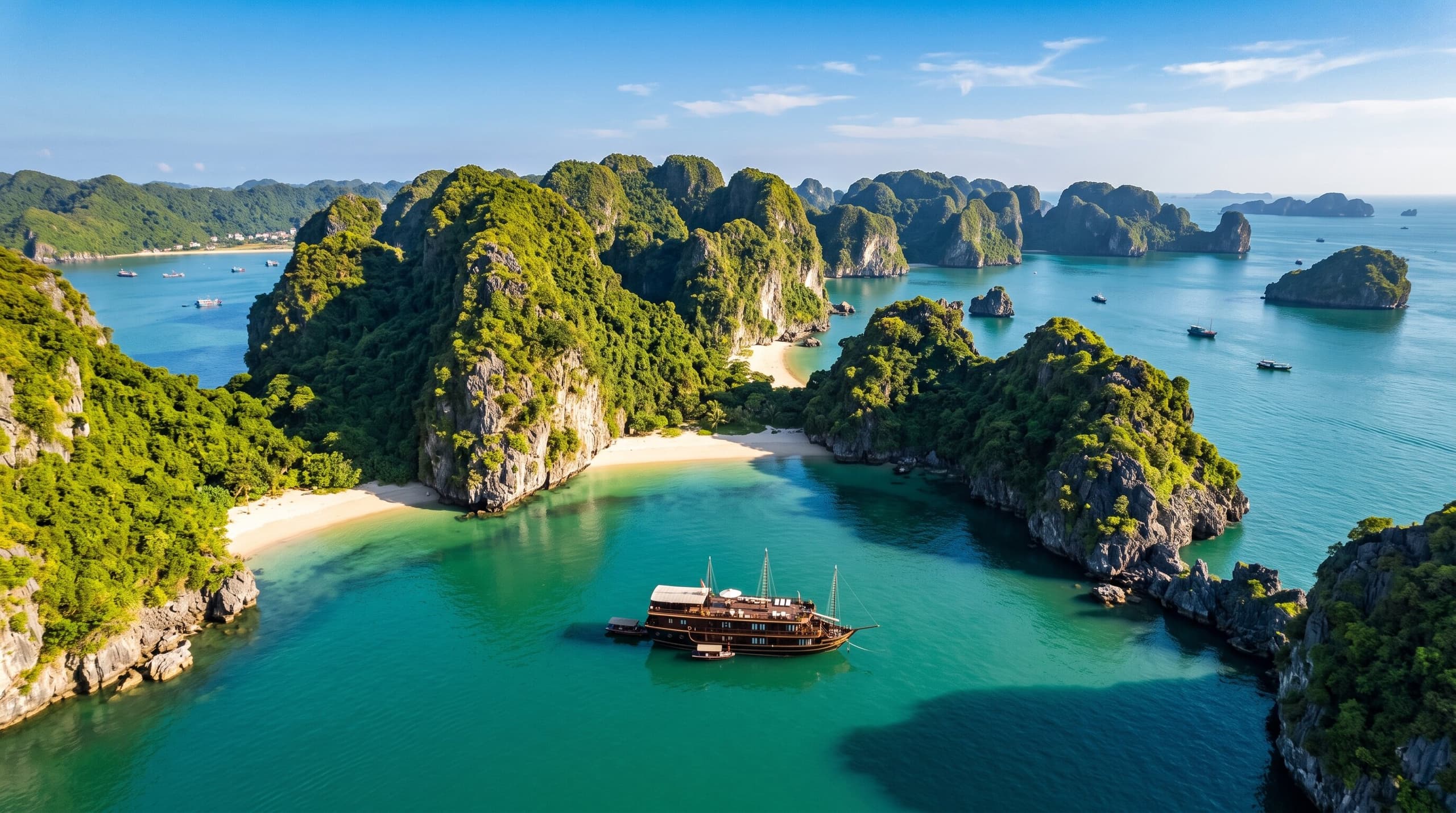
Lan Ha Bay
A quieter alternative to Ha Long Bay, offering pristine beaches, serene lagoons and untouched natural beauty.
Overview
Discover Lan Ha Bay
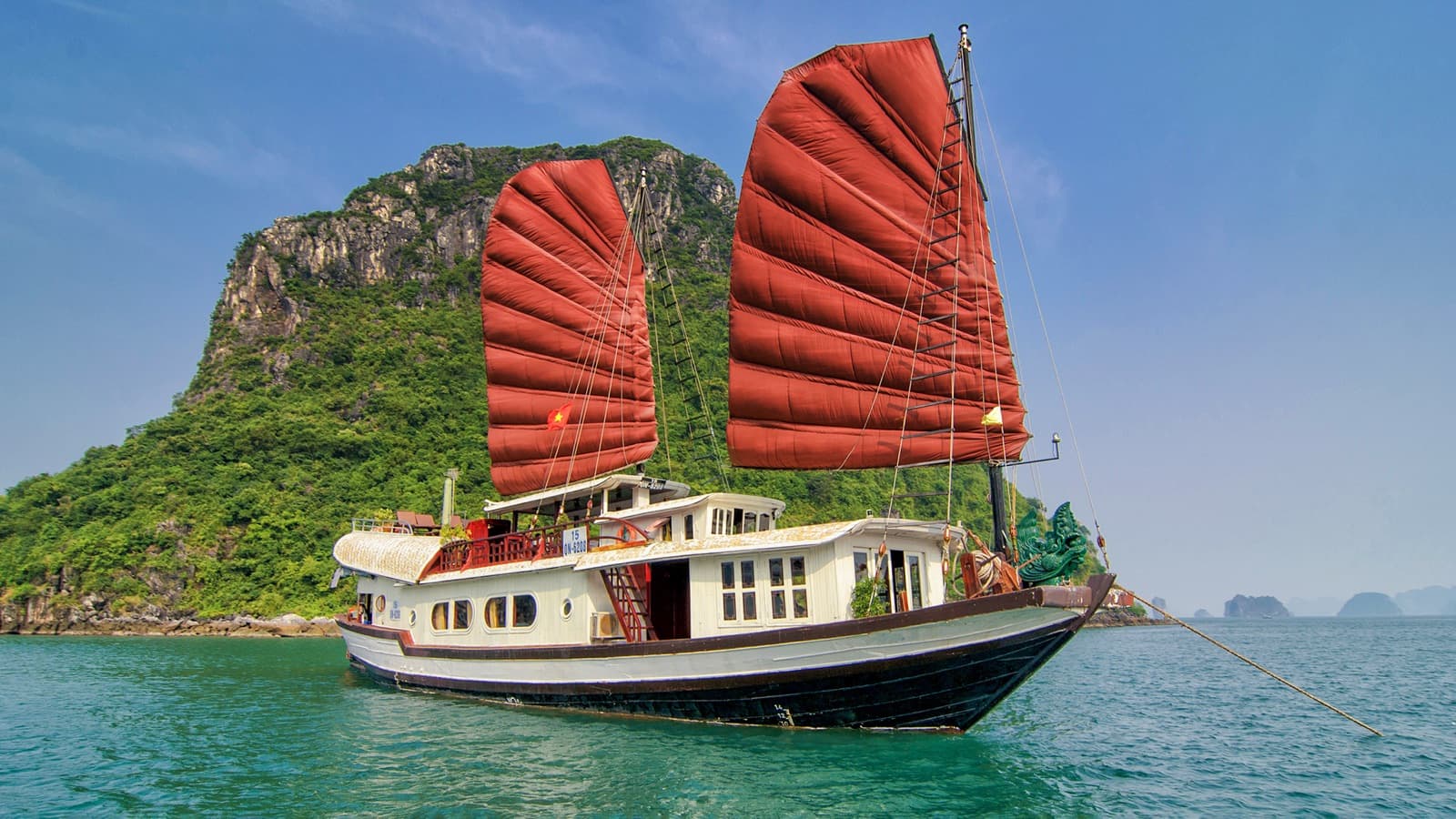
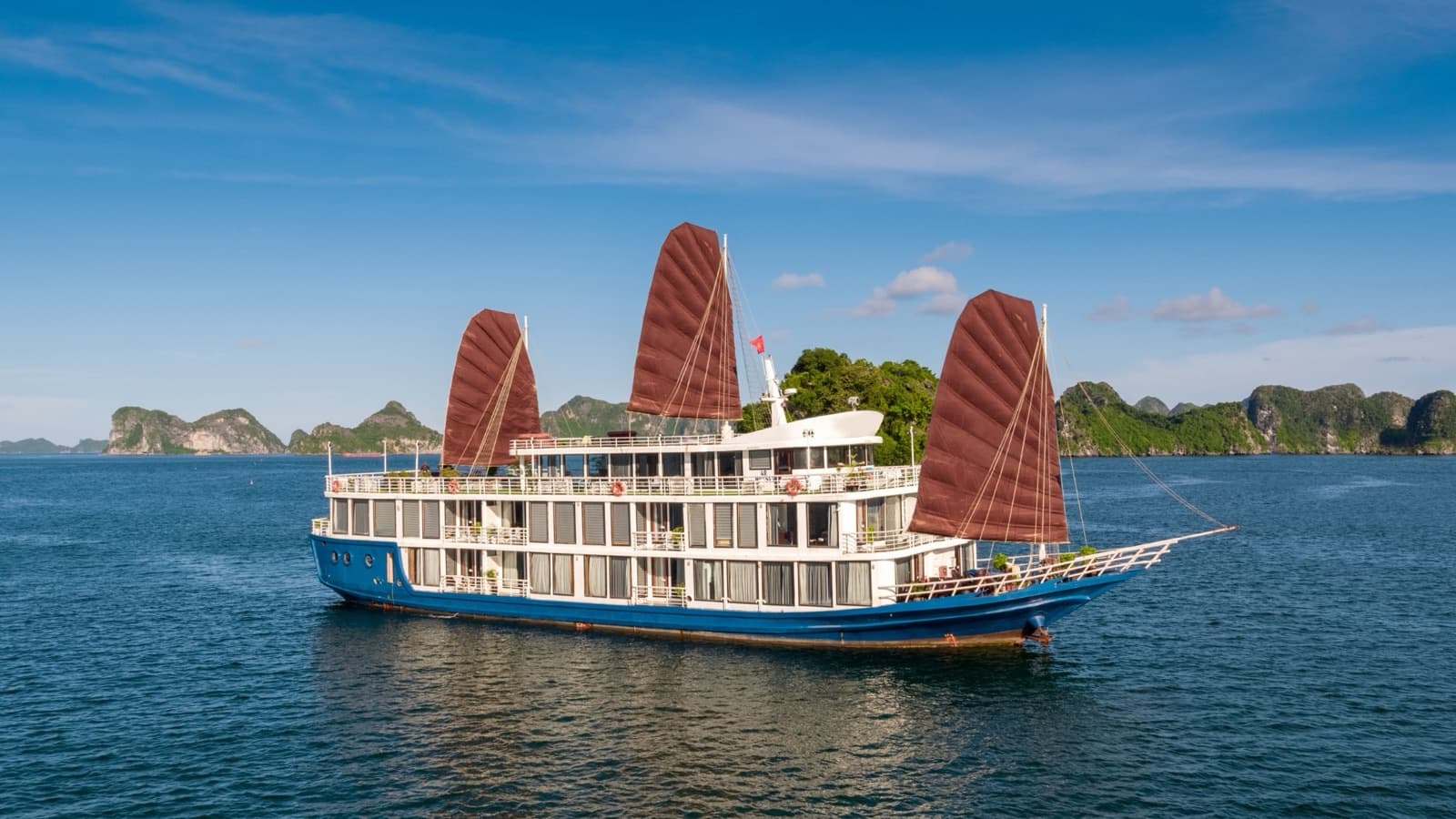
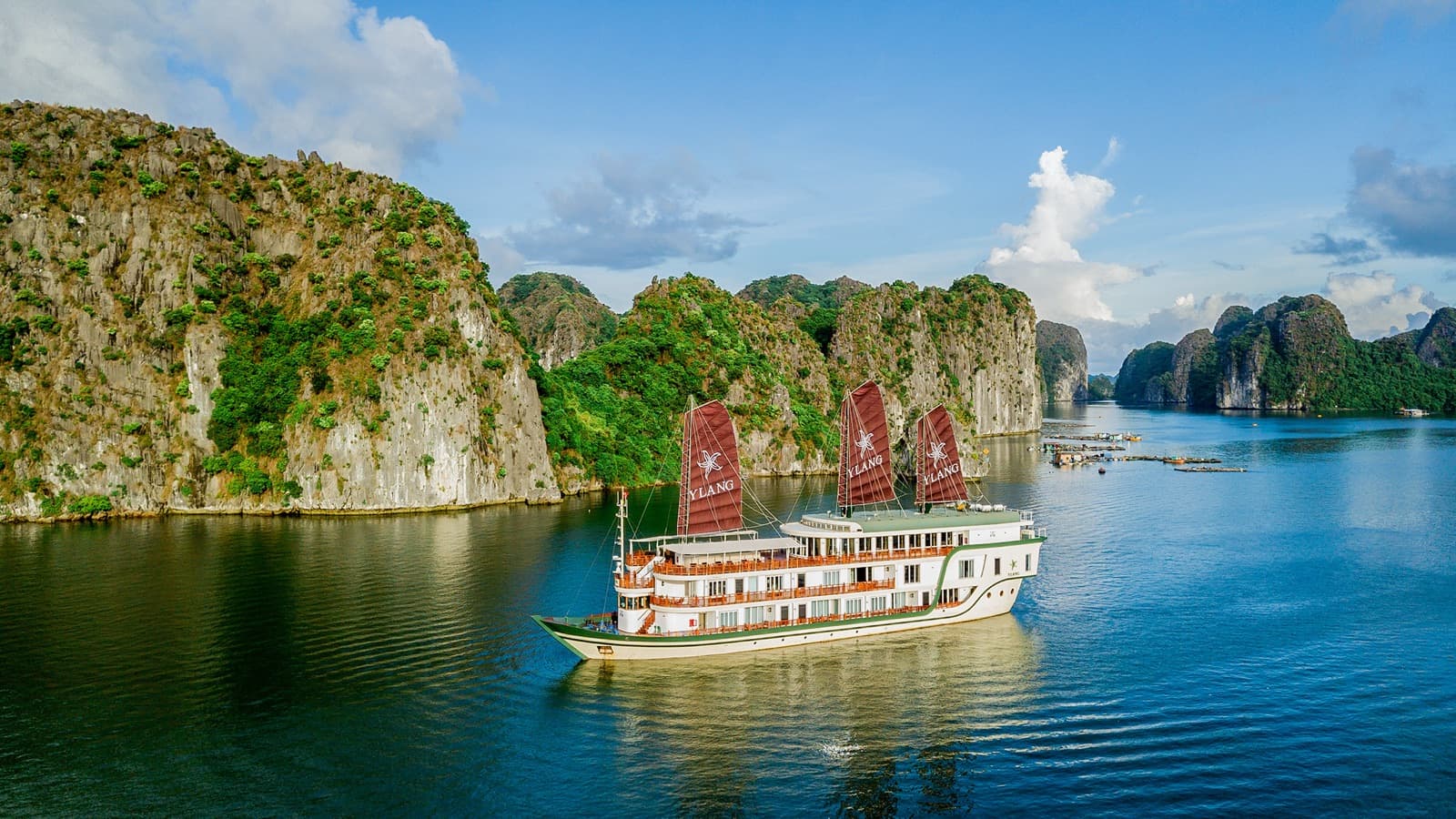
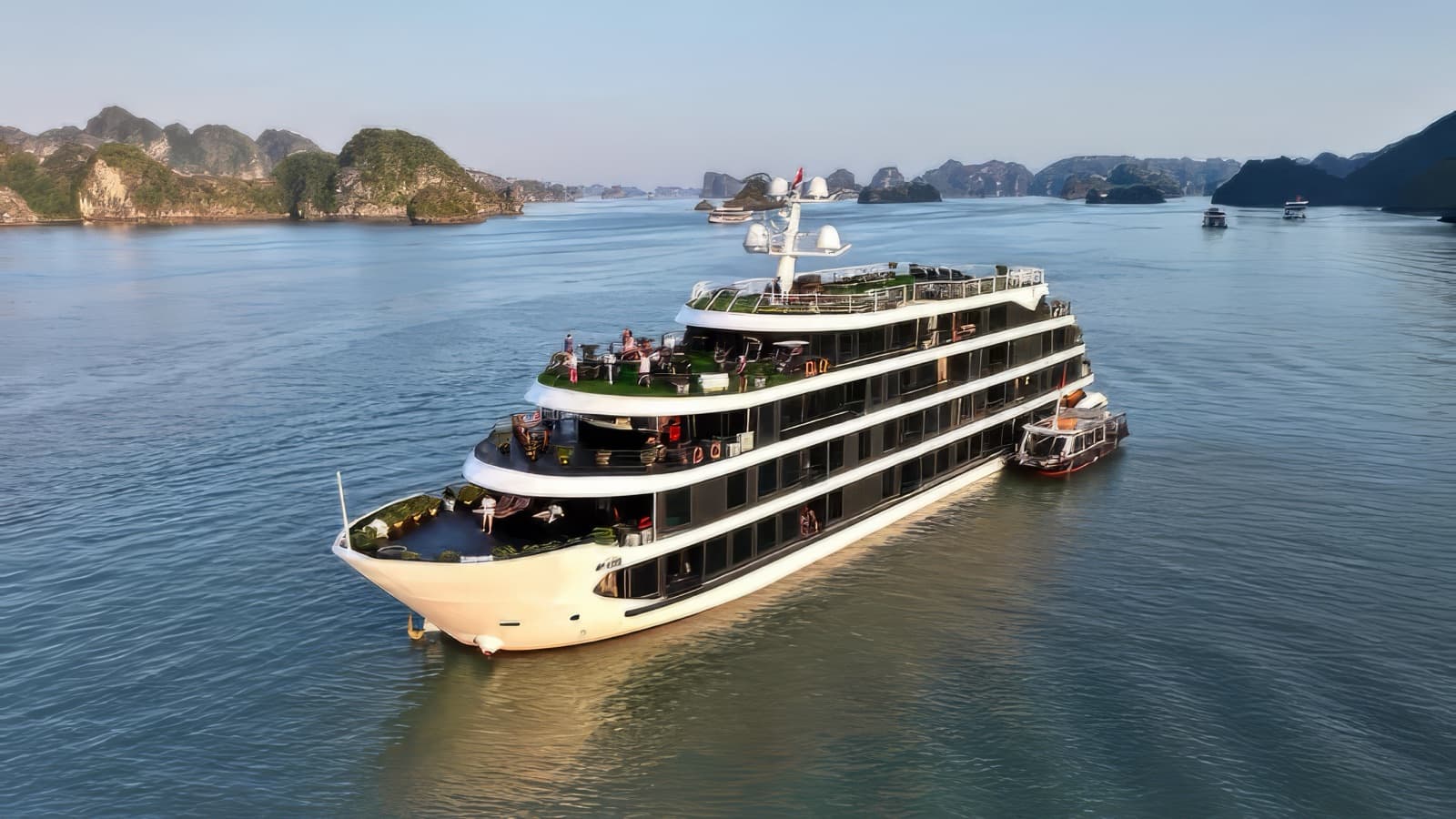
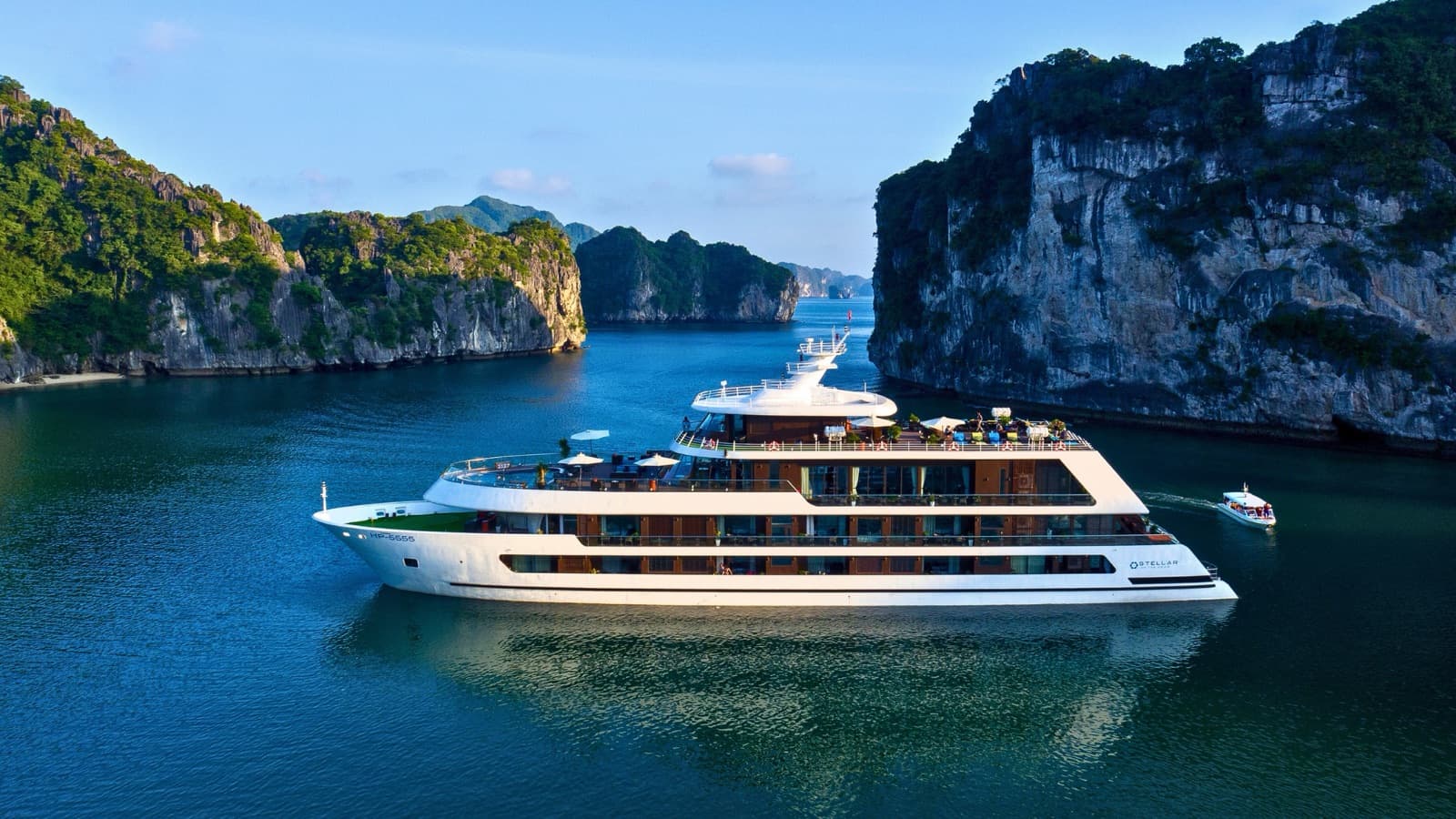
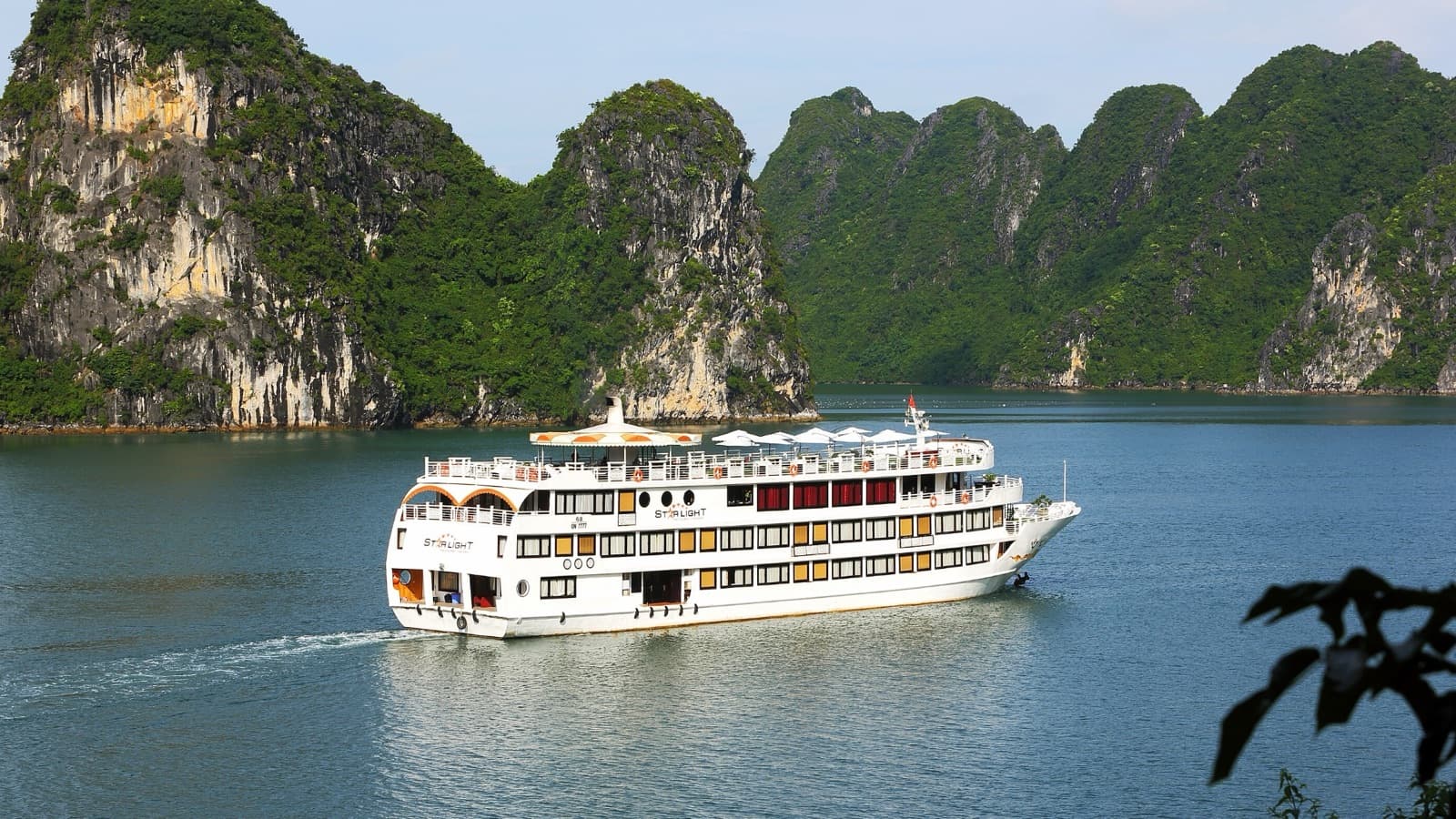
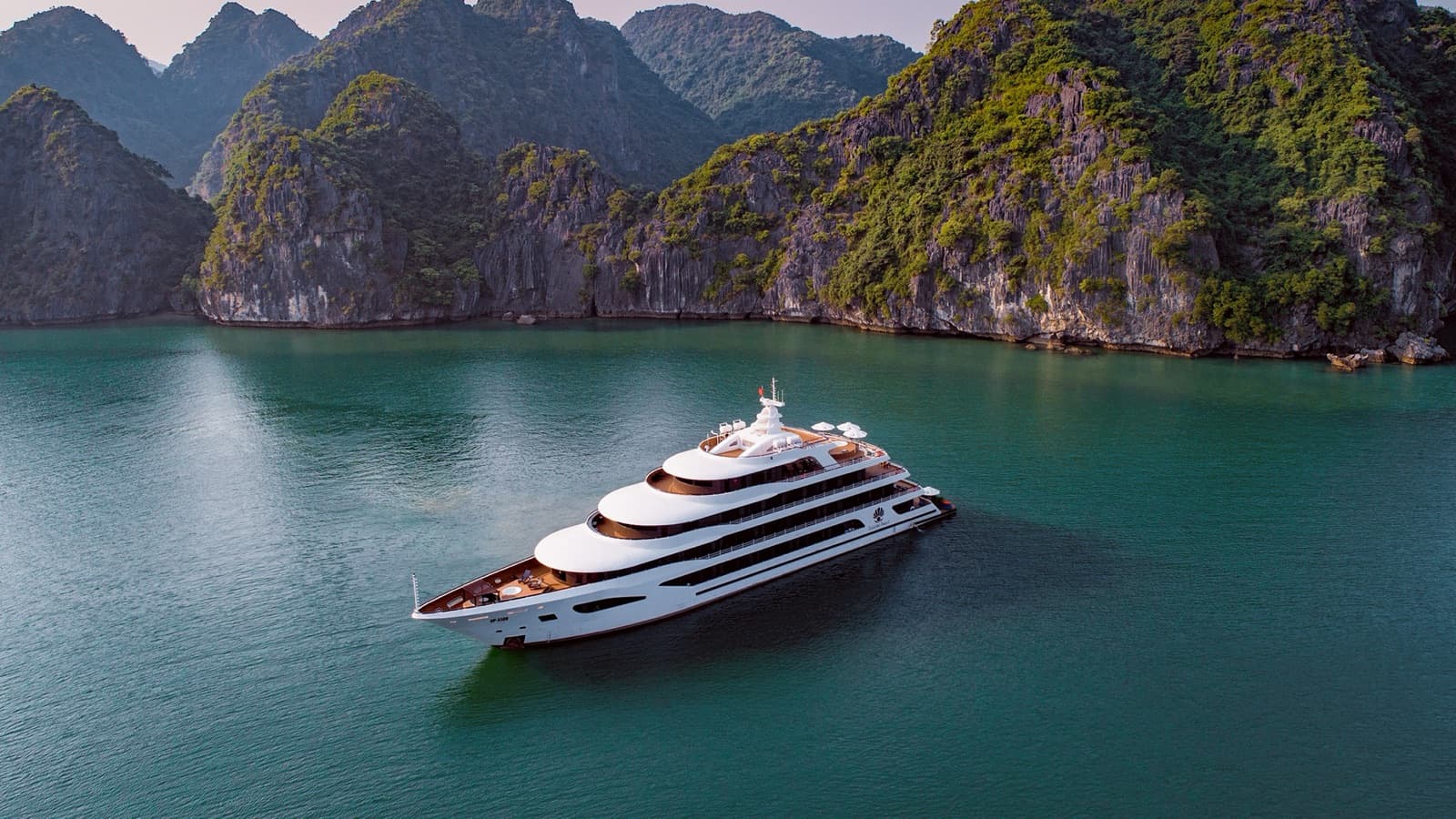
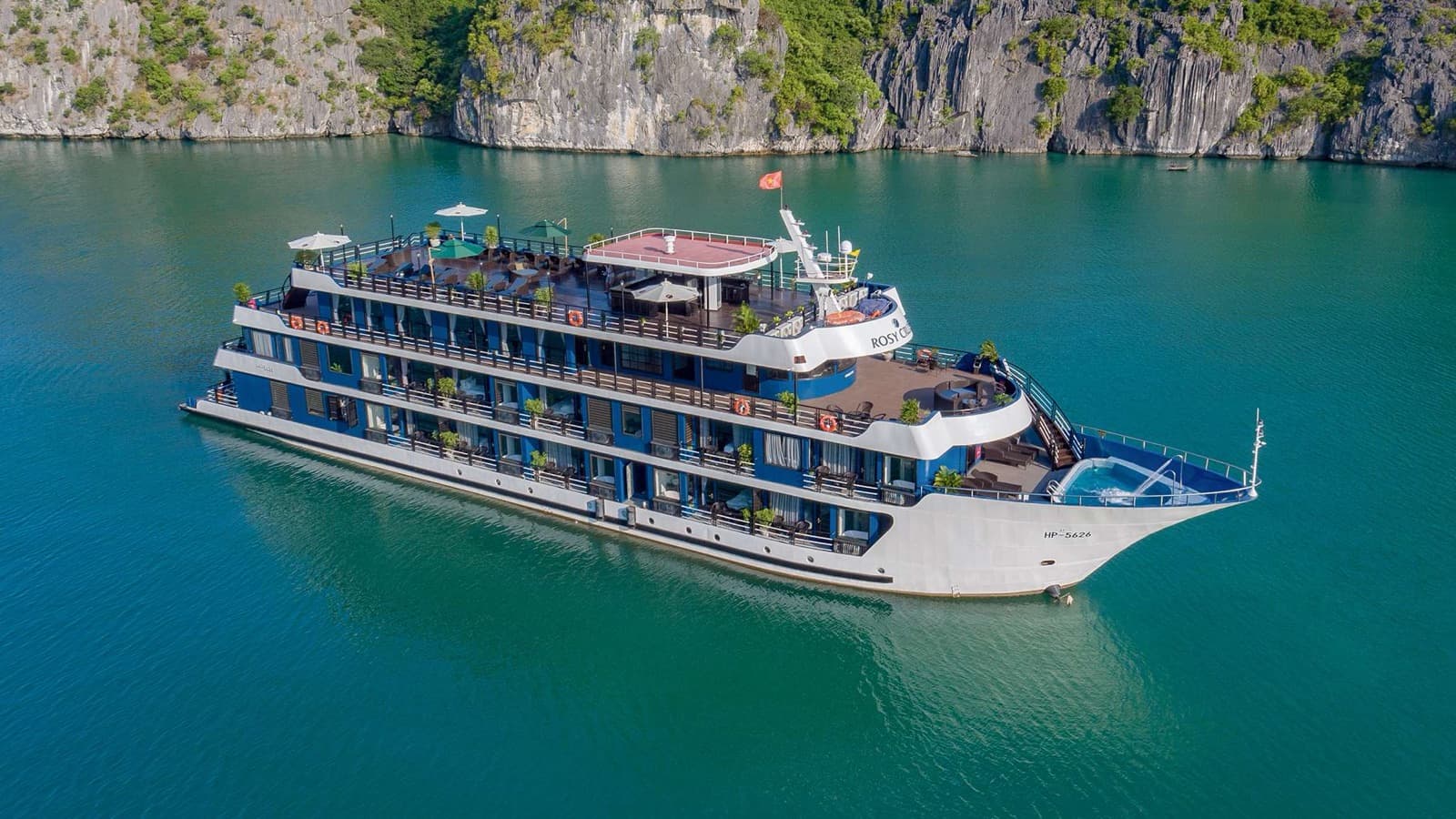
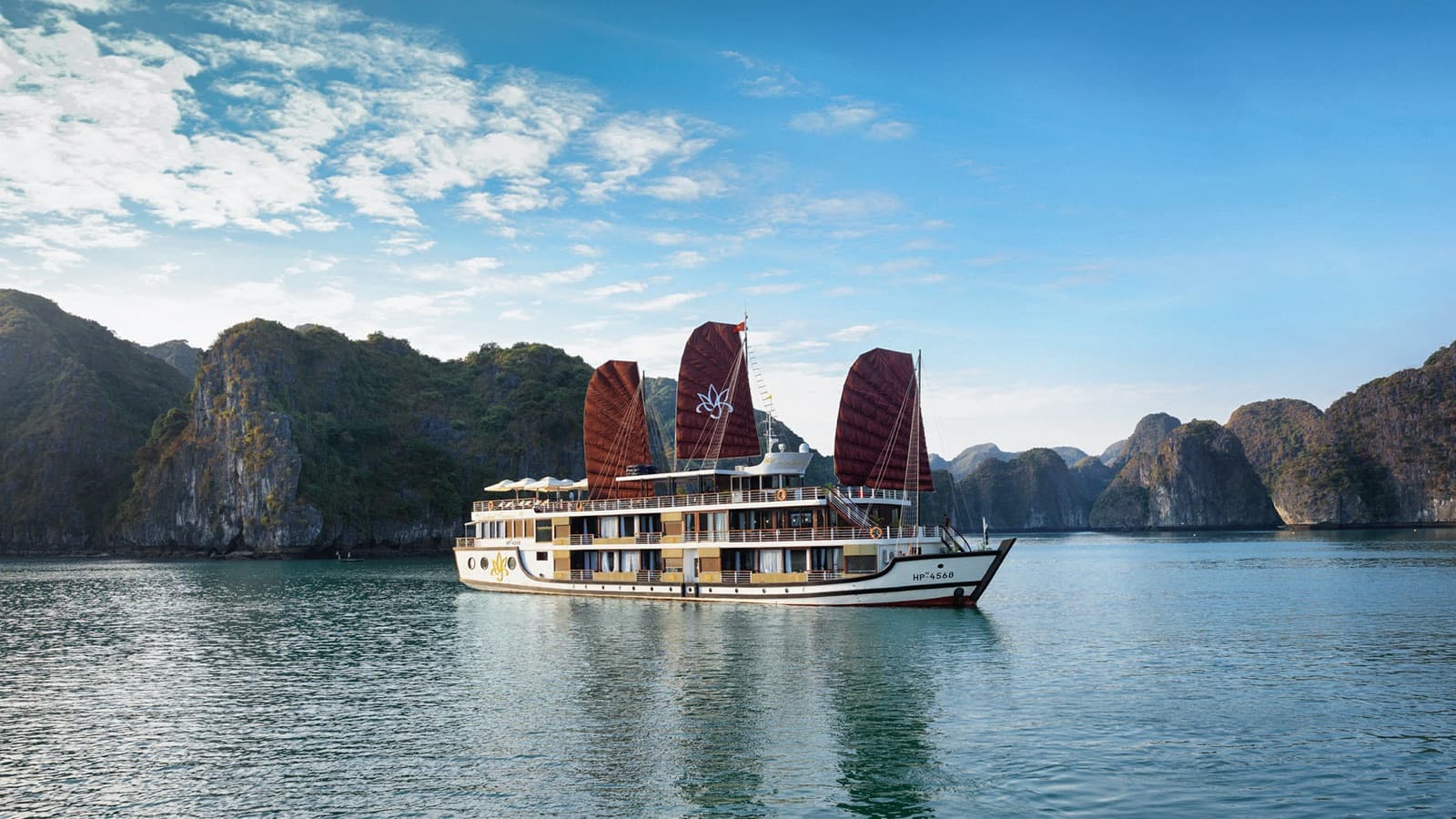
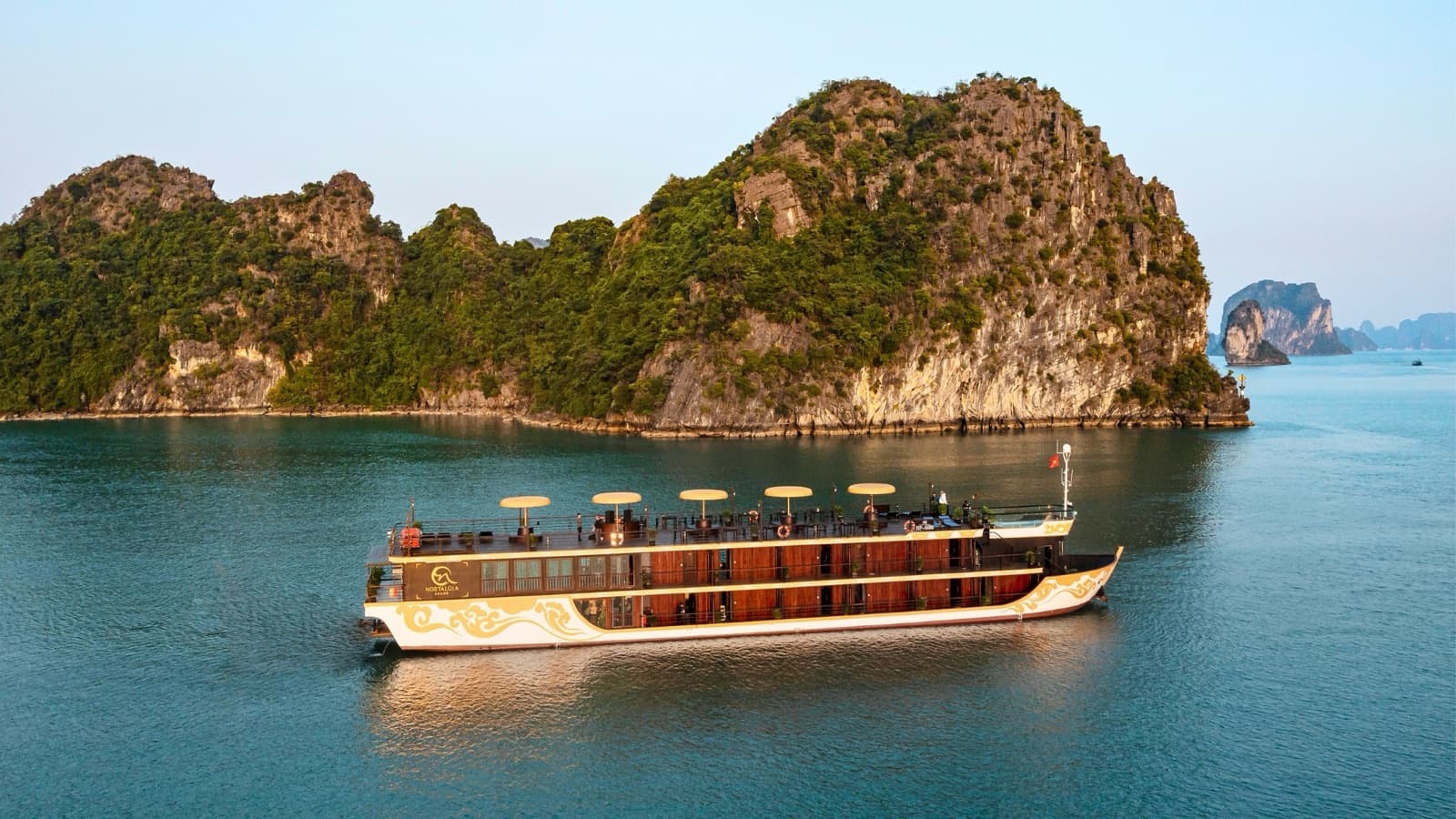
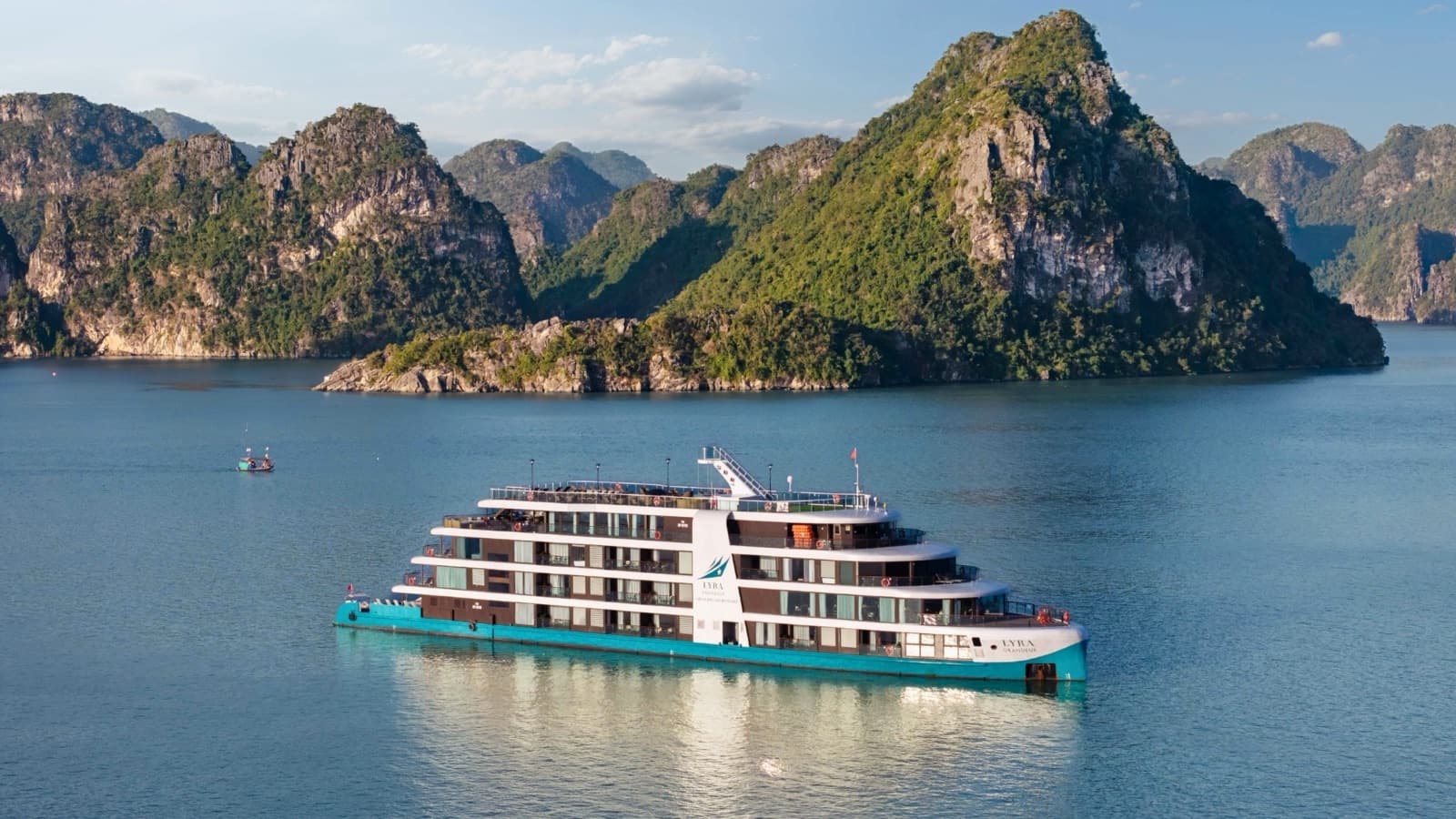
Lan Ha Bay lies east of Cat Ba Island in Hai Phong, just south of Ha Long Bay, and belongs to the same Cat Ba Archipelago. More than 400 limestone islands and islets, many wrapped in forest, enclose calm, clear water, and the bay counts some 139 small sandy beaches. Over 5,400 hectares of its roughly 7,000 are linked to Cat Ba National Park, which lies within the Cat Ba Biosphere Reserve, and since 2023 the whole area has been part of the "Ha Long Bay – Cat Ba Archipelago" World Natural Heritage Site.
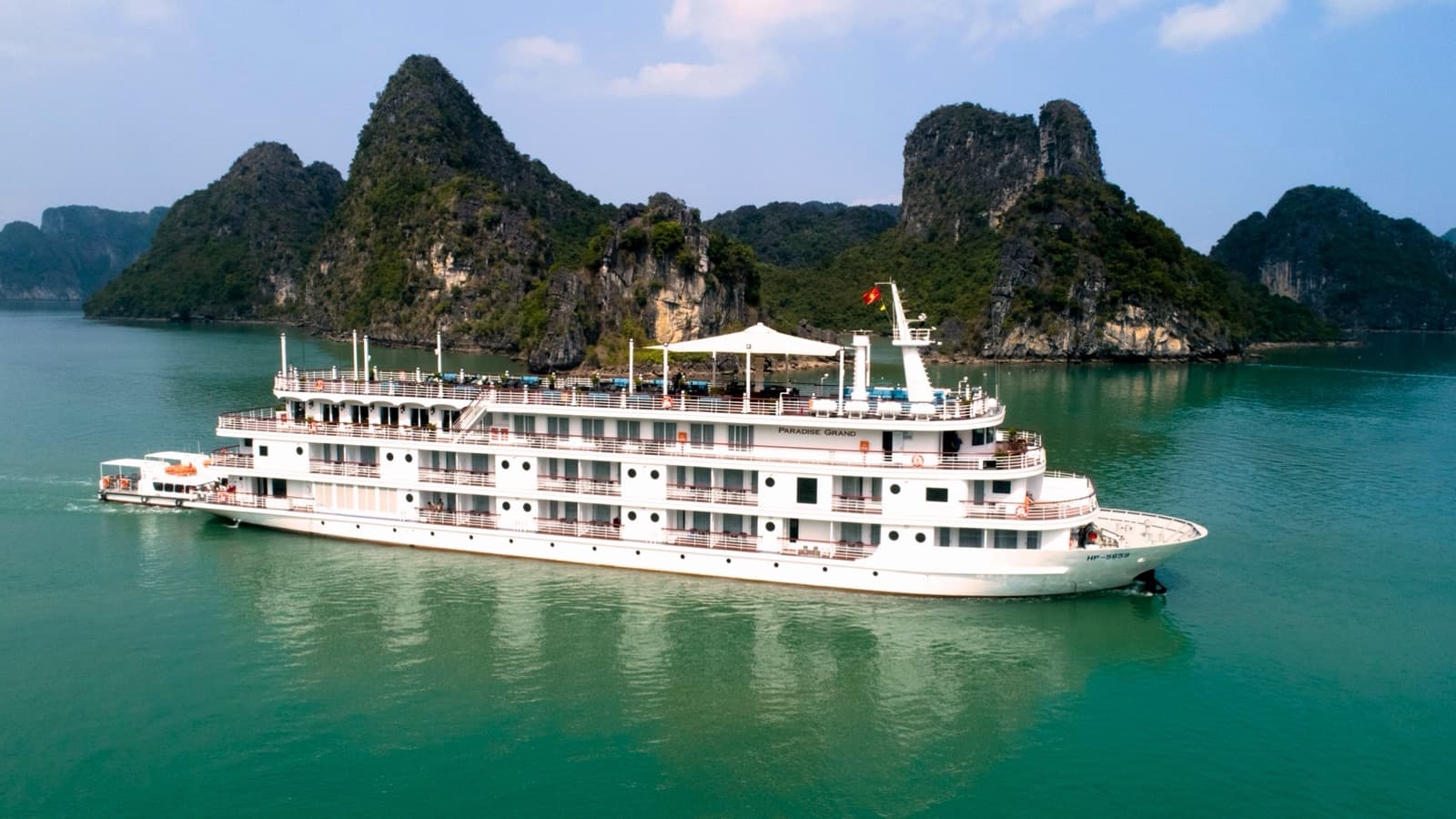
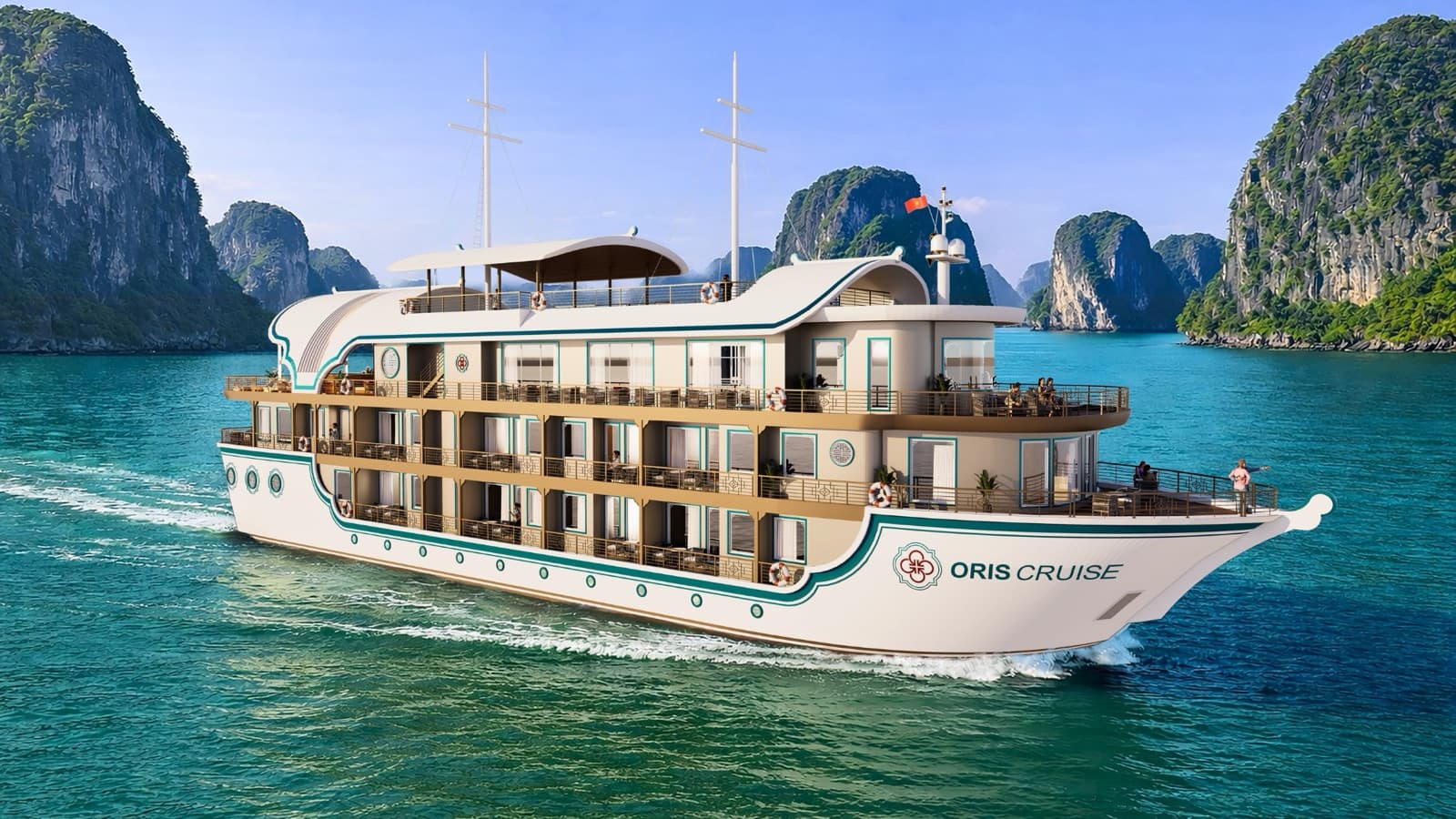
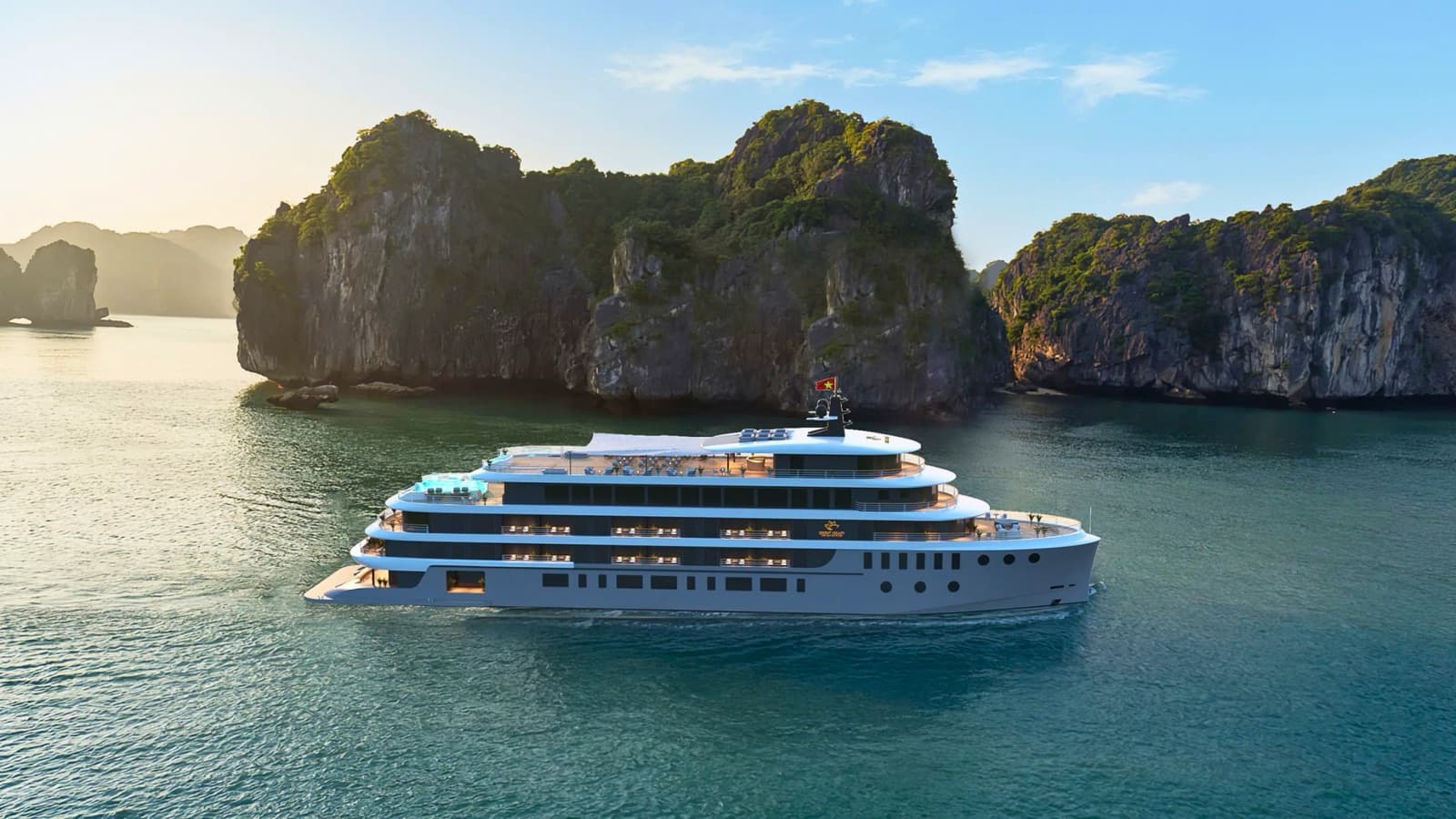
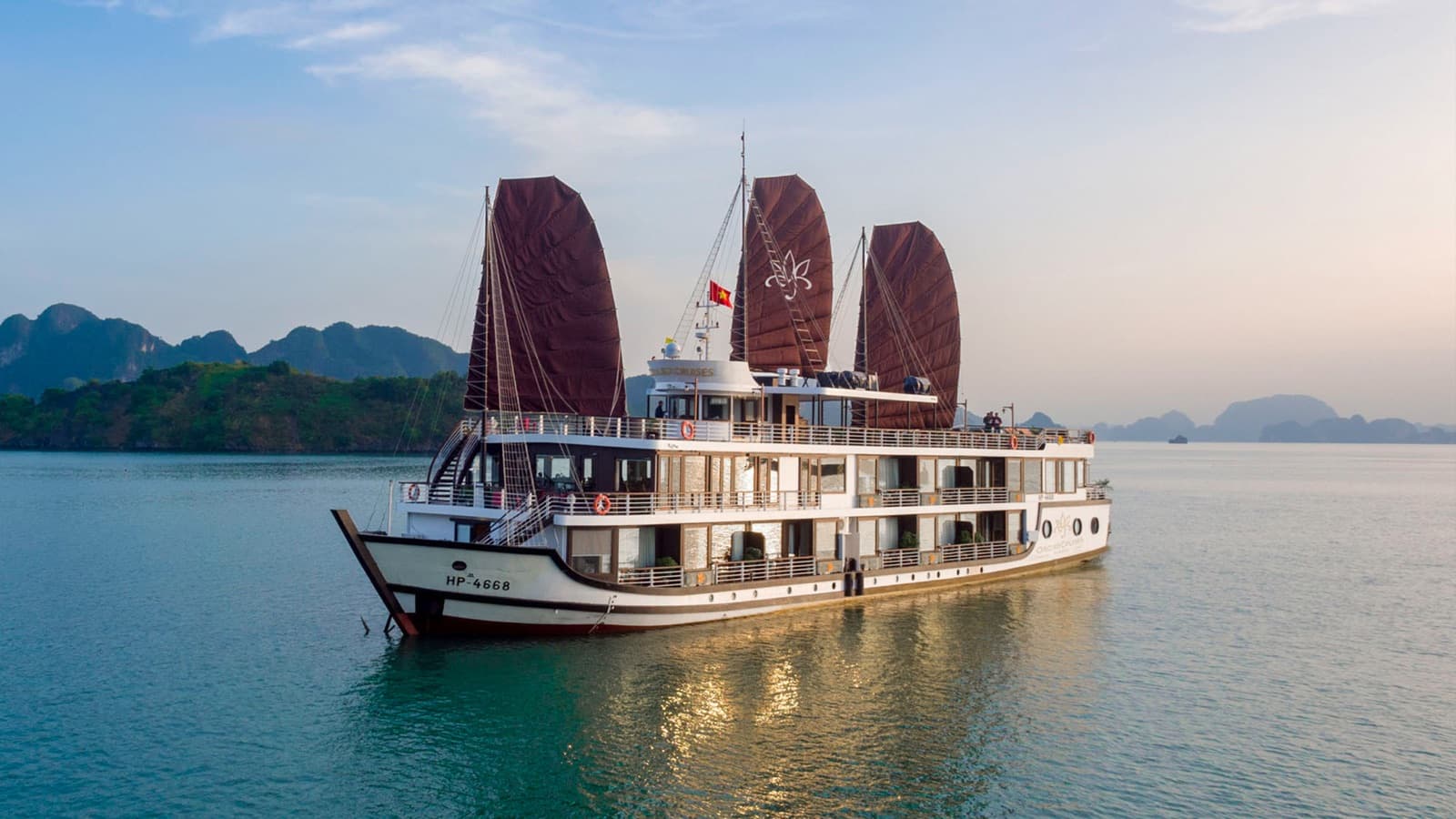
The scenery is close to Ha Long's, with a different feel. There are fewer boats, the islands sit closer together, and the water among them is notably sheltered. That makes Lan Ha a good fit for travellers who would rather kayak, swim and anchor in quiet coves than follow a busy sightseeing route.
Getting there
There are two common ways to reach Lan Ha. Many cruises board at Tuan Chau Marina in Ha Long, about 2 to 2.5 hours from Hanoi by expressway, and then sail south into the bay. Others board on Cat Ba Island, reached from Hanoi via Hai Phong and a ferry or cable car, with boats leaving from Beo Port. Ferry, cable car and port arrangements change from time to time, so your booking confirmation names the exact boarding point and transfer.
Highlights of Lan Ha Bay
Kayaking the lagoons
Lan Ha is best known for paddling. Kayaks slip through low cave arches into enclosed lagoons, including the Dark and Light Caves, whose tunnels open onto still water ringed by cliffs. Tide matters here, so your guide times each paddle to make sure the tunnels are passable and the lagoons are at their best.
Monkey Island and Ba Trai Dao
Small sandy beaches sit between the islands, among them Ba Trai Dao and Van Boi. Monkey Island (Cat Dua) is often the first stop on the bay's tourist route and takes its name from the macaques that live there; keep food out of sight, as they can be bold around people carrying it. Ba Trai Dao is reachable only in a short window each day when the tide drops, so it appears on some itineraries and not others.
Ba Ham Lake
Ba Ham is a group of lakes linked by caves among the islands, and it can be entered only by kayak or small rowing boat, and only when the tide allows. Few itineraries include it, which is part of its appeal: with high walls all round, it feels hidden and very quiet.
Cai Beo Floating Village
Cai Beo is one of the oldest floating fishing villages in the region, where families have lived and farmed fish on the water for generations. Visiting by small boat or kayak shows how the community works; as always, ask before photographing people.
Viet Hai Village
Viet Hai is a small village inside Cat Ba National Park, reached on foot through forest or by boat from the bay. Many guests pair it with a short trek or cycle ride, which gives a look at rural life away from the water.
Cat Ba National Park and the Cat Ba langur
Cat Ba National Park covers more than 17,000 hectares and holds some of the archipelago's primary forest. It is home to the Cat Ba langur, listed as Critically Endangered after hunting sharply reduced its numbers in the twentieth century. Protection has helped: the park reported around 90 animals in October 2024, its strongest growth in two decades. The langur is shy and rarely seen, so treat it as a conservation story rather than a sighting you can plan for.
Lan Ha or Ha Long?
Ha Long is larger and better known, with famous caves and viewpoints. Lan Ha trades some of those landmarks for calm water, small beaches and more room to kayak and swim. Both belong to the same World Heritage Site, and the two are only a few hours apart.