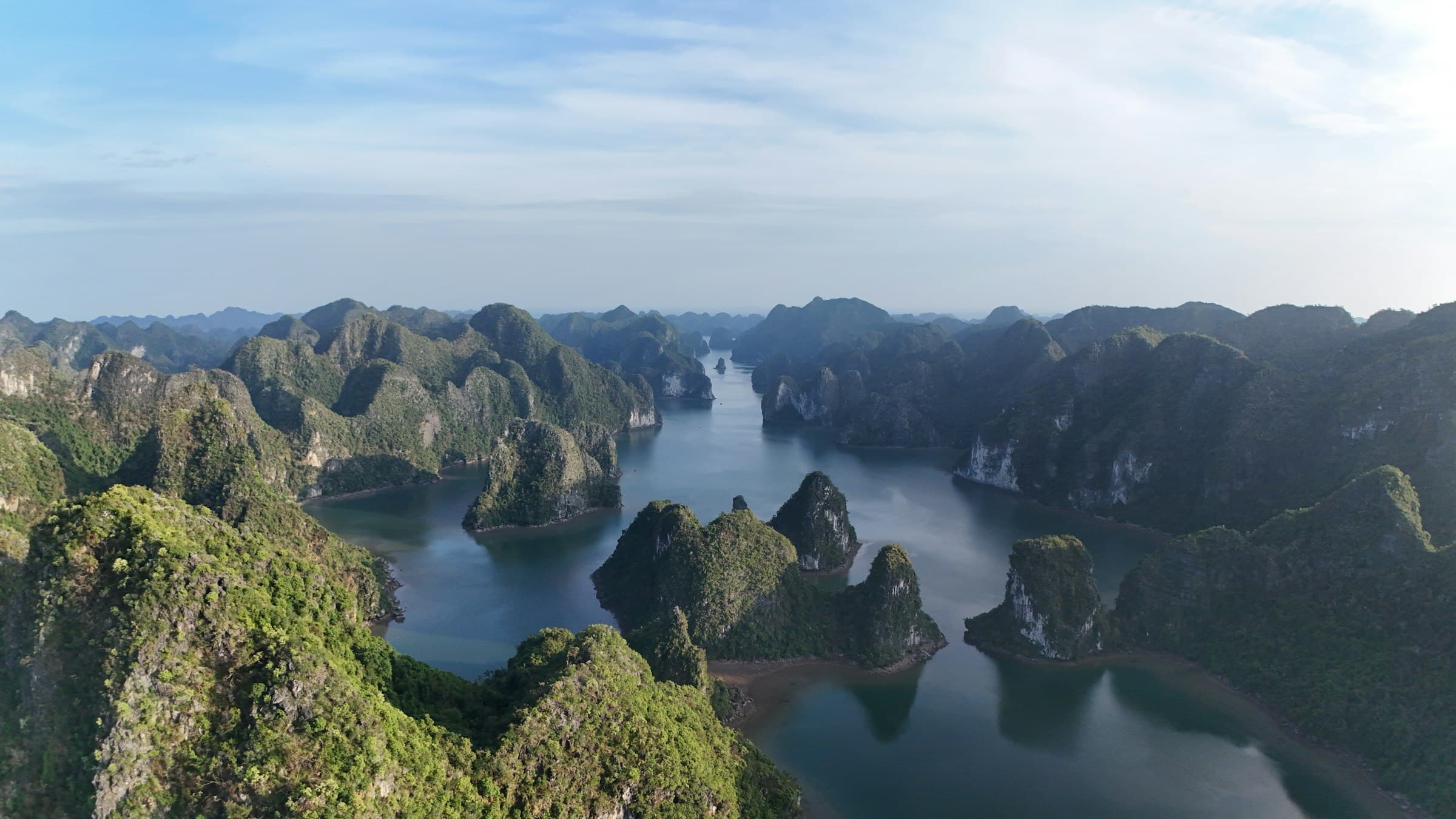
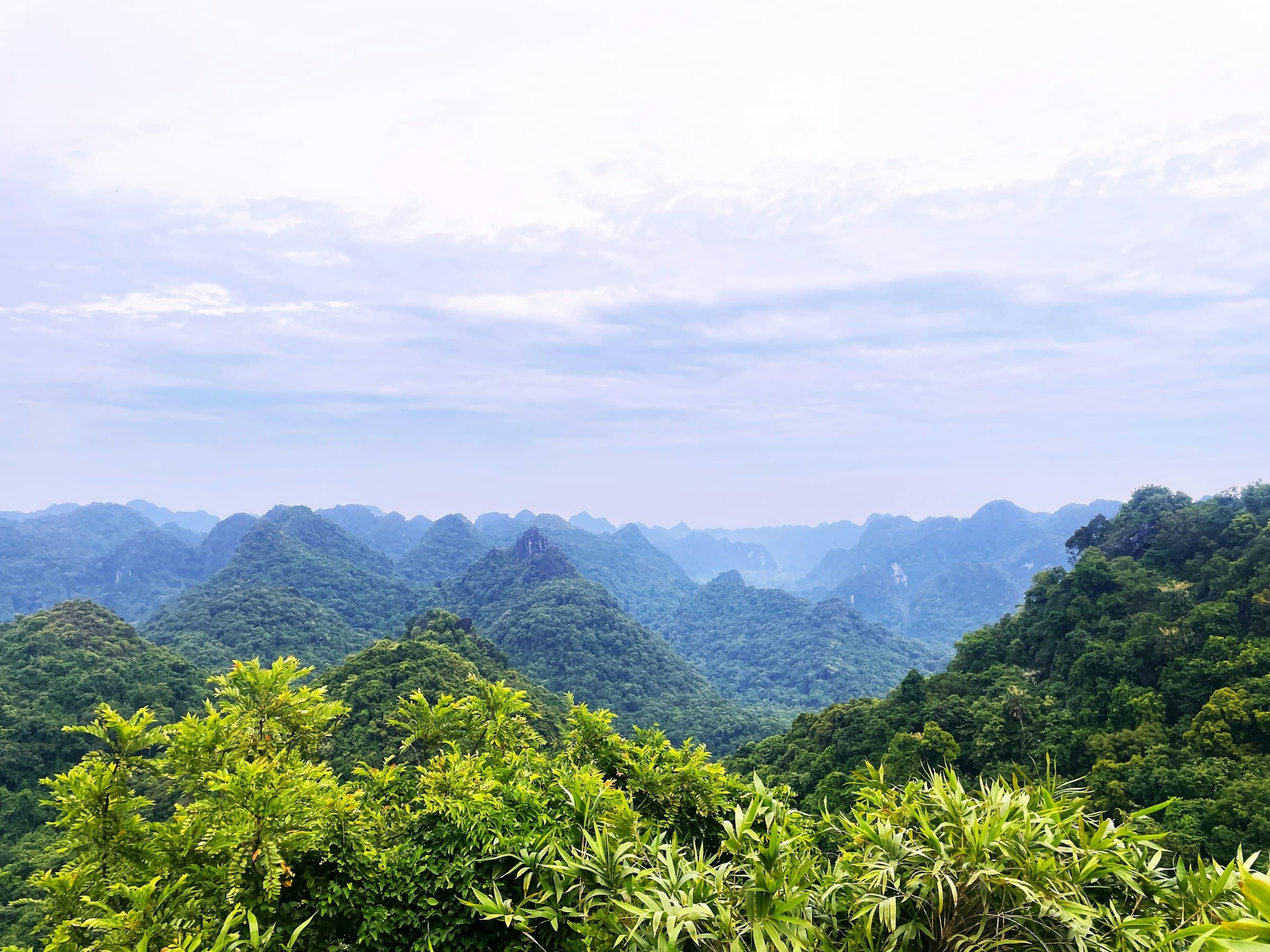
A Halong Bay cruise is often associated with towering limestone islands, emerald-green waters, hidden caves, and floating villages. But beyond these iconic landscapes, the bay is also home to a quieter tradition that has grown alongside its tourism industry: pearl farming.
A visit to a pearl farm offers travelers a glimpse into the delicate relationship between nature and human craftsmanship. Here, oysters are carefully raised in the sea for years before a tiny nucleus can eventually become a lustrous pearl. During a cruise through Halong Bay, travelers may have an opportunity to see this fascinating process firsthand and discover how pearls from Quang Ninh have developed their own reputation and identity.
A Brief History of Pearl Farming in Halong Bay
Pearl cultivation in Halong Bay dates back to the 1990s, when the region became home to one of the first pearl farming sites in northeastern Vietnam. The industry initially developed through a Vietnam-Japan joint venture, drawing on Japan's long-established expertise in pearl cultivation.
In 2009, Vietnamese partners took over the operation from the Japanese side and began developing a distinctive local identity for Halong pearls. Rather than simply supplying raw pearls to Japan for processing and rebranding, locally cultivated pearls gradually became recognized as products in their own right.
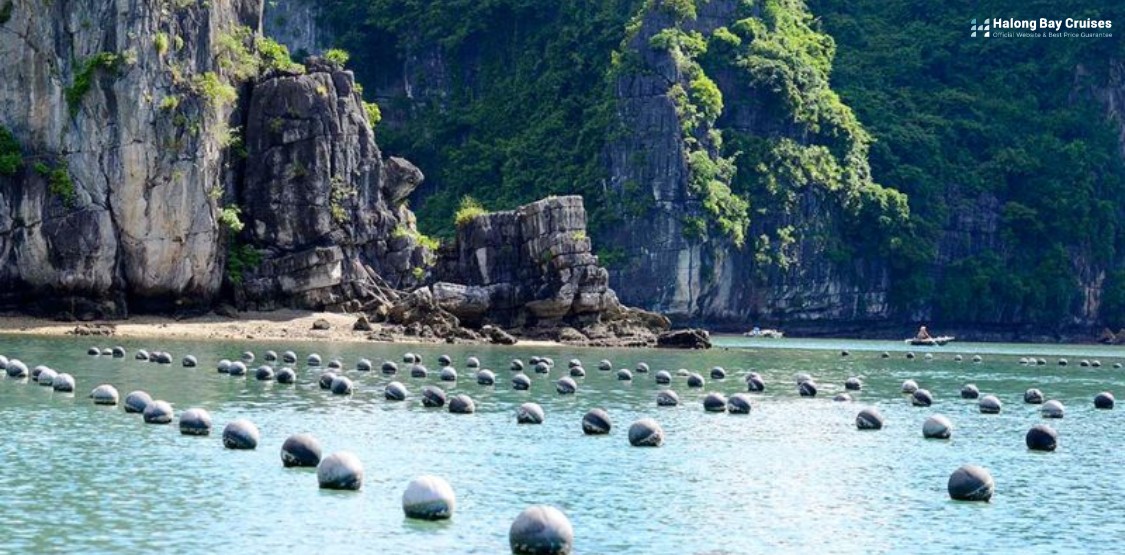
This development reached an important milestone in 2015, when pearl products from Ha Long Pearl Joint Stock Company were recognized as OCOP (One Commune, One Product) products of Halong City. In 2020, its Akoya, Tahitian, and South Sea pearl products achieved national 5-star OCOP certification, reflecting the quality and reputation that the industry has built.
The pearl farms also began opening their doors to travelers around 2010, turning pearl cultivation into an unusual tourism experience within Halong Bay. Today, the farms in Tung Sau and Vung Vieng are among the places where visitors can learn about this traditional yet highly specialized craft.
Tung Sau Pearl Farm
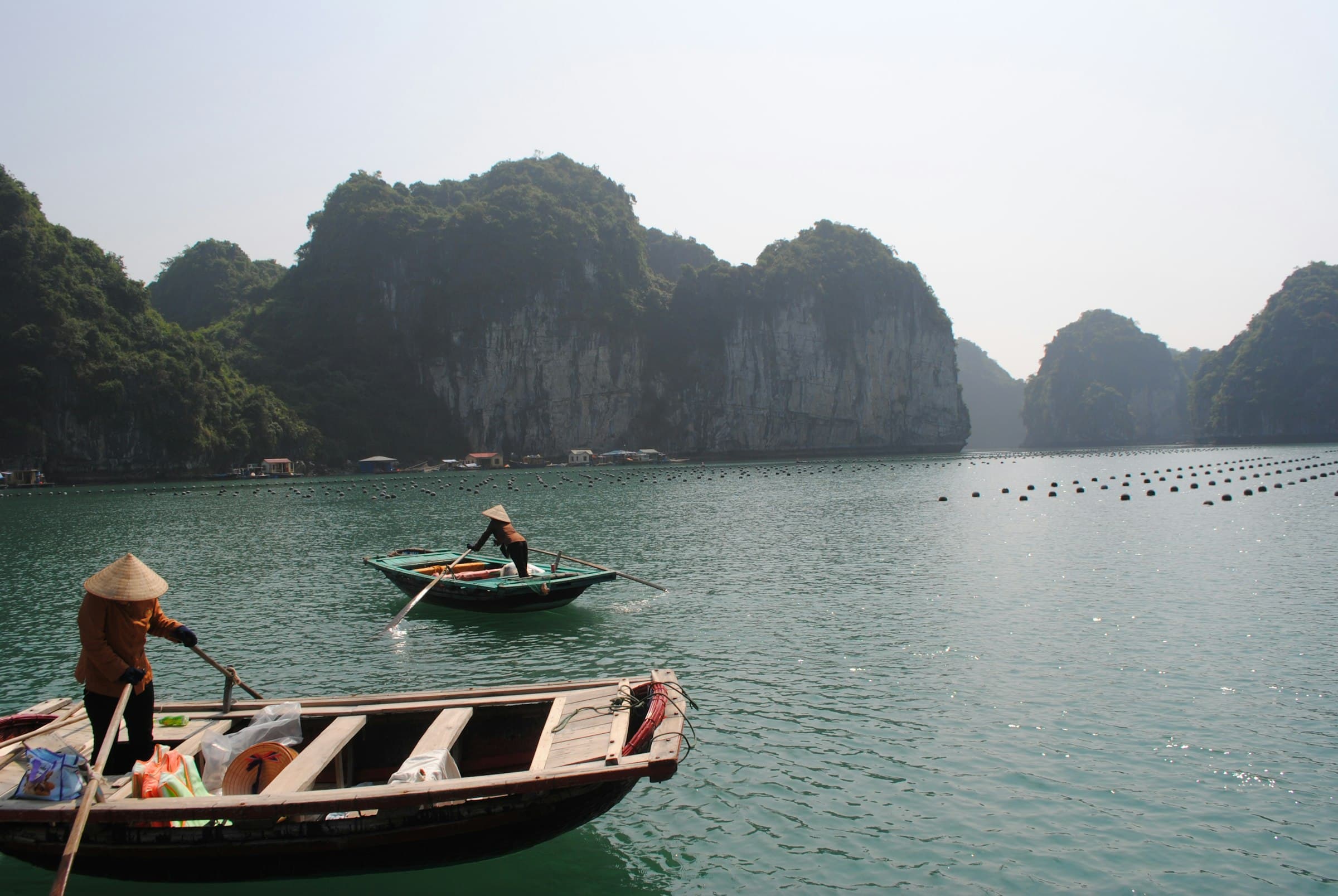
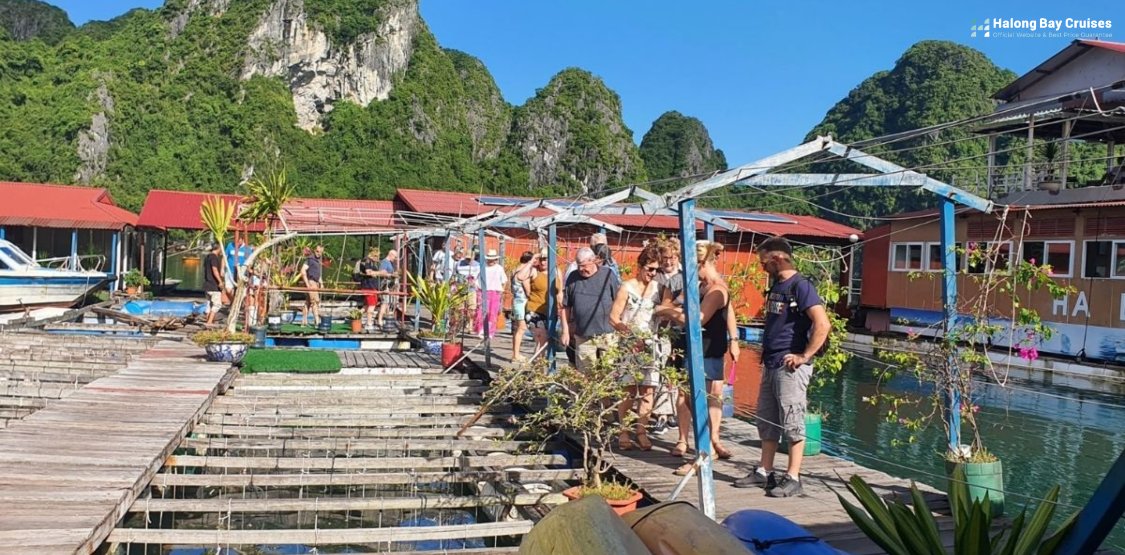
Located roughly 16 km from the mainland, Tung Sau Lagoon is tucked into a sheltered corner of Halong Bay. Instead of simply admiring the landscape, travelers can see how people make use of the bay's calm marine environment to cultivate pearls.
During a typical visit, travelers can learn about the oyster-growing cycle, see the floating cages where oysters are raised, and observe demonstrations of the delicate techniques involved in pearl cultivation.
Vung Vieng Pearl Farm
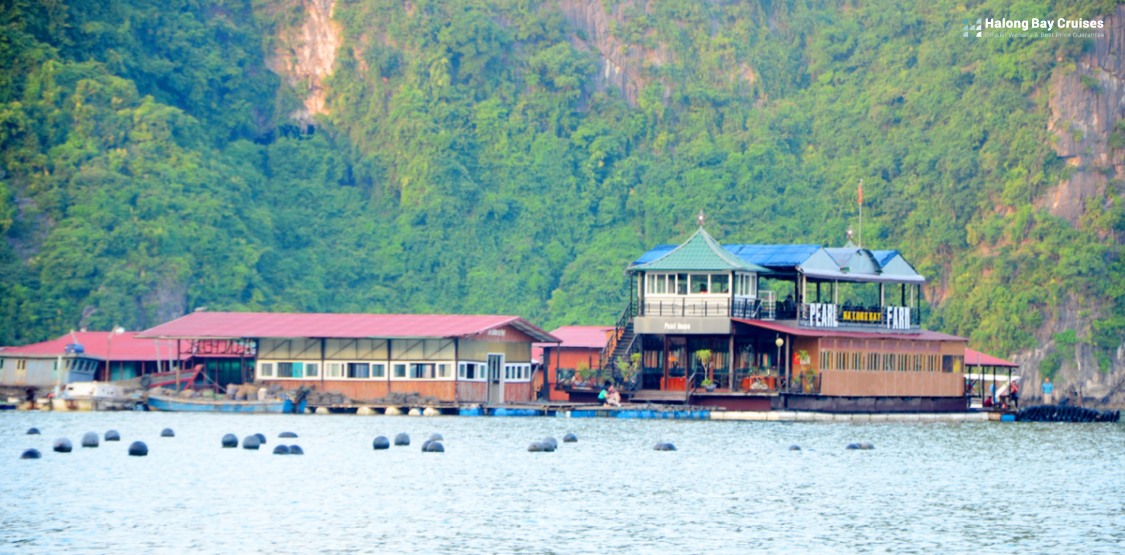
Vung Vieng is another area associated with pearl cultivation in Halong Bay. A stop here shows how oysters are raised, how pearl formation is encouraged, and why successful cultivation depends so heavily on clean, calm waters.
Vung Vieng is also associated with the traditional floating-community heritage of Halong Bay. Although the nature of the community has changed over time, the area remains a fascinating place to understand how people have historically adapted their lives and livelihoods to the sea.
Pearl Varieties in Halong Bay
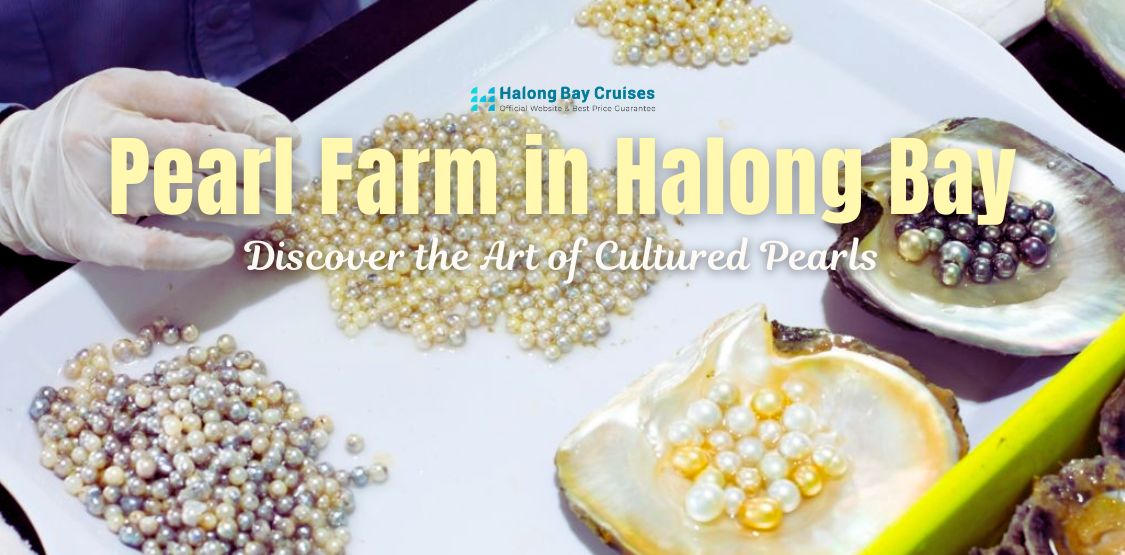
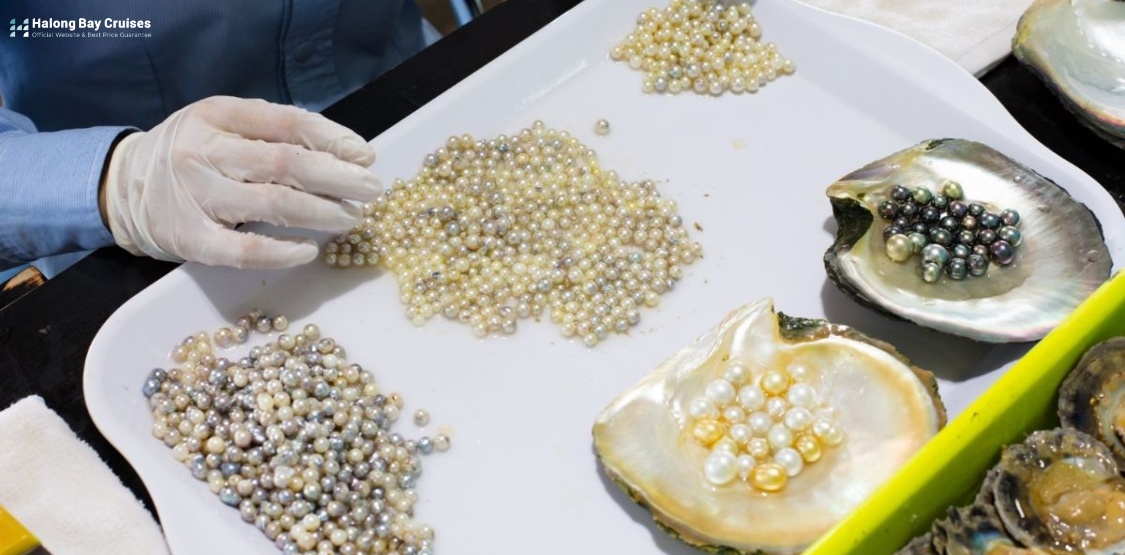
Akoya pearls are among the most familiar. Sometimes described as the "muse of the sea," Akoya oysters generally take around two to three years to produce pearls measuring approximately 3-10 mm. Their delicate colors can range from pure white and soft pink to yellow and fashionable gray.
Tahitian pearls are famous for their mysterious dark appearance and striking colors. These larger pearls, generally around 6-15 mm, require several years of cultivation, often four to six years, before they are ready for harvest.
Then there are South Sea pearls, among the largest and most prized cultured sea pearls. The oysters live in deeper waters and can require six to eight years of cultivation. Their pearls can reach around 10-20 mm in diameter and are particularly admired for their warm golden tones.
How Does a Cultured Pearl Grow?
A cultured pearl grows through a natural defense mechanism carefully stimulated by pearl farmers. A trained technician inserts a small shell nucleus together with a piece of mantle tissue into a healthy oyster. The mantle tissue causes the oyster to cover the nucleus with layers of nacre, the smooth, shiny material that naturally lines its shell.
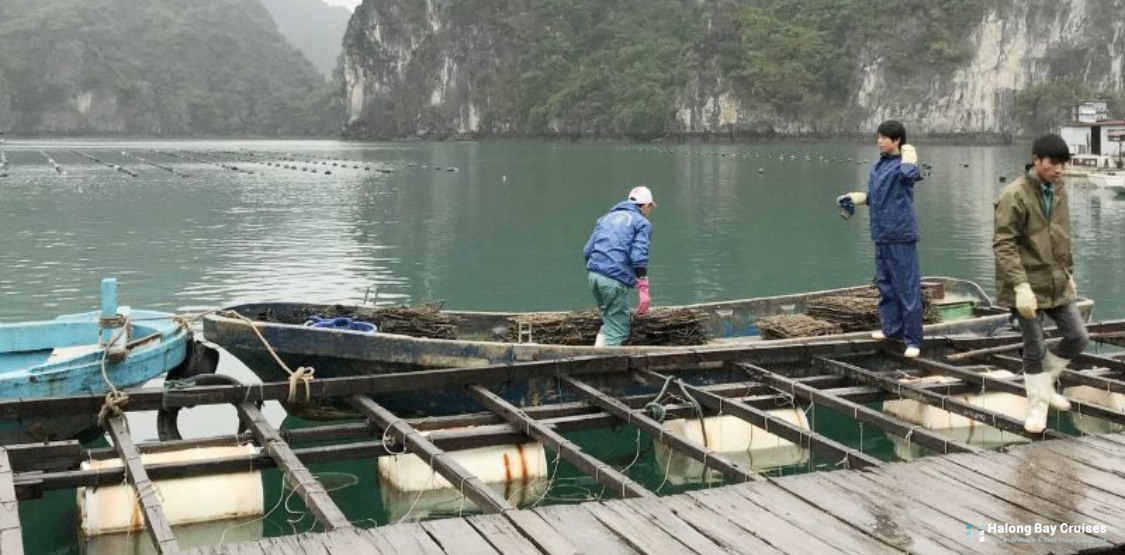
After implantation, the oyster is returned to the sea in suspended cages. Over the next two years or longer, it gradually coats the nucleus with layer upon layer of nacre, forming a pearl. During this time, farmers regularly clean the cages and monitor the oysters' health.
Not every oyster survives or produces a pearl, and only a small number develop pearls with exceptional shape, color, surface, and luster. This combination of nature, careful human work, and time is what makes a high-quality cultured pearl so special.
What Can You Experience at a Halong Bay Pearl Farm?
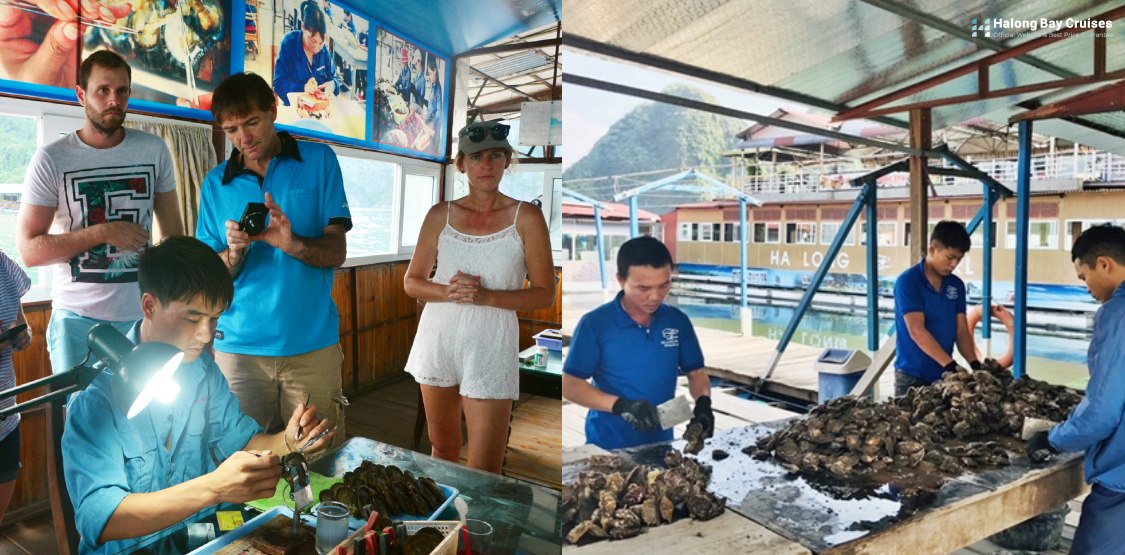
A pearl farm visit is usually more hands-on and educational than a conventional sightseeing stop. Depending on your cruise itinerary and the farm's current activities, you may be able to:
- Learn how oysters are raised. Guides explain how the oysters are selected, cared for, suspended in the water, and protected from disease and parasites.
- Watch pearl cultivation demonstrations. One of the highlights is seeing how technicians handle oysters and explain the nucleus implantation process.
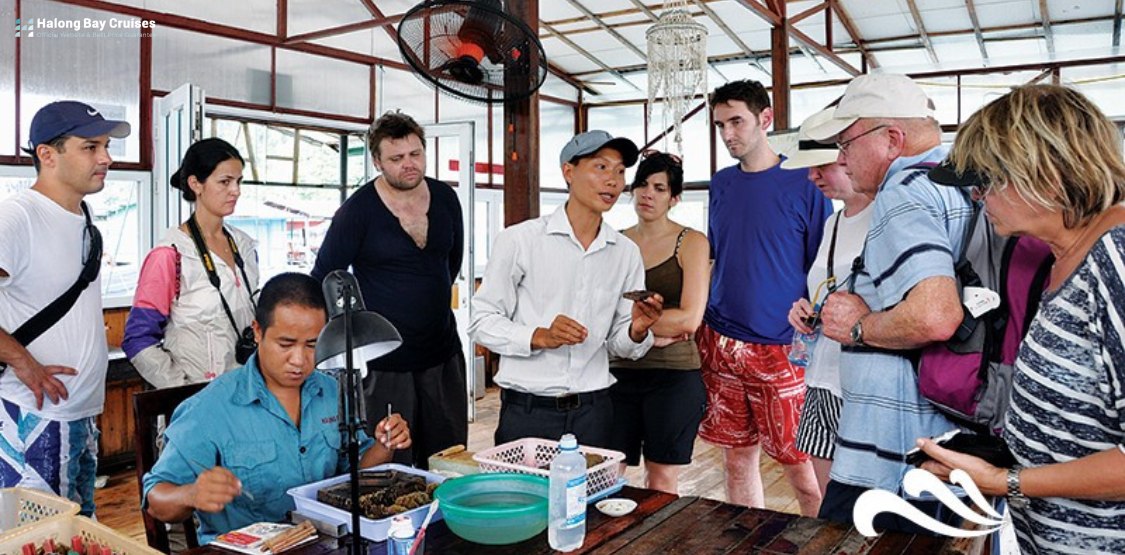
- See pearls at different stages. Instead of seeing only the finished jewelry, travelers can gain an appreciation of the years of care behind each pearl.
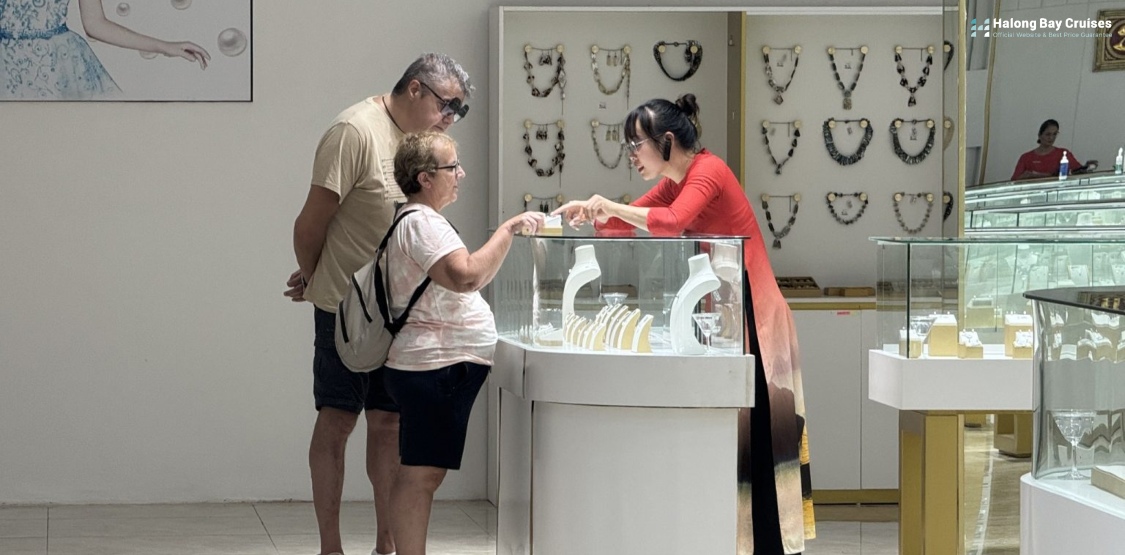
- Explore the finished collection. The farm's showroom typically displays pearls in different shapes, sizes, colors, and grades, alongside jewelry created by local artisans.
- Purchase a locally produced souvenir. For those who wish to take home something special, a pearl can be a meaningful reminder of time spent in Halong Bay.
How to Visit a Pearl Farm During a Halong Bay Cruise
Pearl farm visits are included in the itineraries of some Halong Bay cruises. The exact destination and activities depend on the cruise, route, weather, and current operating conditions. The listed activities should therefore be considered for reference rather than guaranteed on every departure.
If you would like to experience pearl cultivation, check the itinerary carefully when selecting your cruise or contact our cruise experts to see whether a pearl farm experience is included on your sailing date.